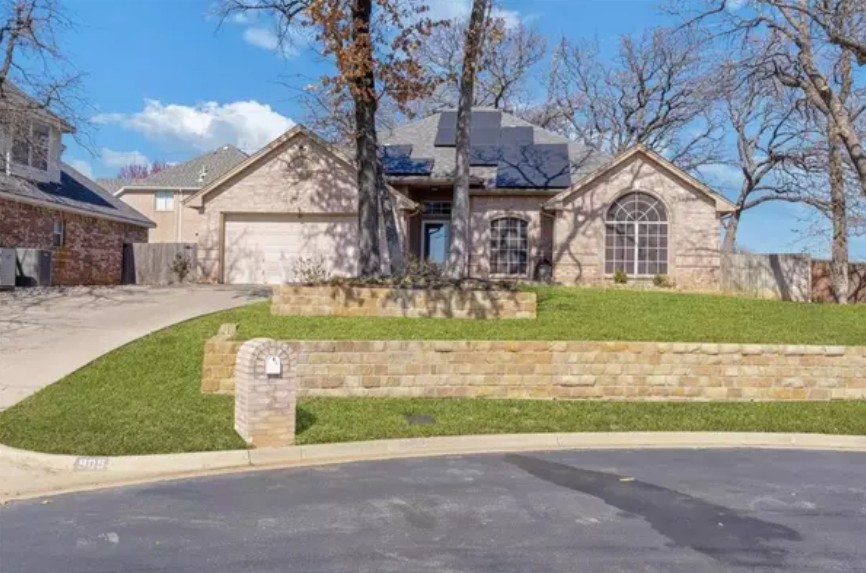
DFW Homeowners | Foundation Risks Before Storms
In the Dallas-Fort Worth Metroplex, your home is constantly negotiating with the ground beneath it. Unlike regions with stable, predictable soil conditions, North Texas sits on expansive clay that reacts aggressively to moisture changes. This means your foundation is in a continuous state of movement, adapting to environmental conditions you may not even notice day to day.
Many homeowners only start thinking about their foundation during storm season, but by then, the damage has often already started. Soil movement, poor drainage, and changing weather patterns work together over time.
Why Understanding DFW Soil Conditions Matters
Most homes in the region are built on expansive clay soil, often referred to as black gumbo. This soil type is highly reactive, expanding significantly when it absorbs moisture and shrinking just as dramatically during dry periods. This constant expansion and contraction create instability beneath your home.
When different sections of soil expand or contract at different rates, your foundation is forced to shift unevenly, creating stress points throughout the structure. They are structural signals that your foundation is responding to soil instability. You may not immediately see the effects, but over time, this leads to:
Cracks in exterior brickwork
Doors and windows that stick or won’t close properly
Interior drywall cracks or separation
Sloping or uneven floors
The Shrink-Swell Cycle
This natural process is driven by seasonal weather patterns, particularly the transition between dry spells and heavy rainfall. During extended dry periods, the soil beneath your home loses moisture and contracts. As it shrinks, it pulls away from your foundation, creating gaps or voids. These empty spaces weaken the support system holding your home in place.
Then, when storm season begins, those same areas rapidly absorb water. The soil expands quickly, but not uniformly. This uneven expansion, known as heaving, pushes against your foundation with significant force. This is often a severe structural movement that can damage your home in a matter of weeks.
Why Homeowners Delay Action Until It’s Too Late
The problem is that the homeowners often miss the early warning signs and the timing. While the signs are misunderstood, in reality, foundation damage builds gradually and silently. By the time visible signs appear, the underlying issue has already progressed.
Another factor is the seasonal illusion of stability. During dry months, your home may appear stable because the soil has already contracted. The real stress occurs when moisture returns, usually catching homeowners off guard. If you are a homeowner, you can assume this to be:
Small cracks are just normal settling
Foundation issues only happen in older homes
Problems will become obvious before they become serious
Maintenance is only necessary during extreme weather
Advanced Principles of Foundation Resilience
You need to take a tactical approach to soil stability and go beyond routine maintenance to protect a structure properly. You need to take a tactical approach to soil stability and go beyond routine maintenance to protect a structure properly.
In 2026, modern foundation health will depend on these five essential elements:
Hydrological Equilibrium
Your foundation performs best when the moisture around it stays consistent. In North Texas soil, sudden shifts from dry to saturated conditions cause expansion and shrinkage, which leads to stress and movement.
Instead of reacting to these changes, your focus should be on maintaining balance year-round. Consistent moisture levels help prevent the uneven pressure that leads to cracks and structural issues.
Hydrostatic Pressure Management
Water buildup around your home creates drainage issues, and it creates pressure. When water collects near your foundation, it pushes against the slab and walls, increasing the risk of movement. Managing this effectively means directing water away before it has a chance to accumulate.
Over time, a properly managed drainage system protects your foundation by lowering hydrostatic pressure and saturation.
Satellite and IoT Monitoring
Advanced 2026 technology, such as DInSAR (Differential Interferometric Synthetic Aperture Radar), now allows for the detection of millimeter-level ground movements before they become visible cracks. This gives you the ability to adjust your approach before damage occurs, helping you move from reactive repairs to proactive maintenance.
Sub-Surface Barrier Systems
Tree roots can disrupt your foundation by pulling moisture from the soil beneath your home. During dry periods, this accelerates soil shrinkage and increases the risk of movement. Installing root barriers helps maintain consistent moisture levels and prevents roots from reaching critical areas, especially if you have large trees close to your property.
Active Soil Compaction
Loose or poorly compacted soil can shift, erode, and create uneven support zones. This is especially common in newer developments or after landscaping work. Ensuring the soil around your home is properly compacted and stable helps prevent hidden weak points that can lead to long-term structural issues.
Issues That Can Make Things Worse
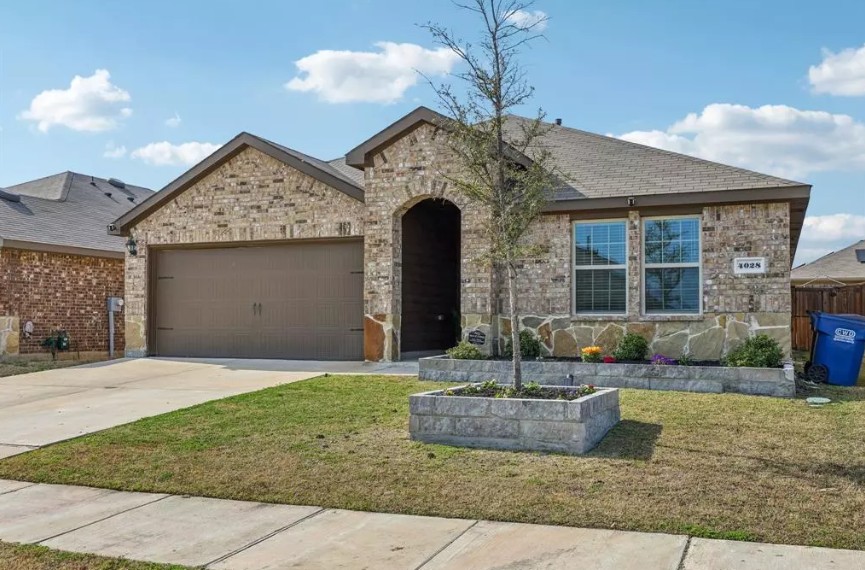
In a market like Dallas-Fort Worth, where soil movement is constant, small missteps can lead to bigger structural issues over time. Common issues include improper slope, short downspout extensions, or overflow during heavy rain. These problems often go unnoticed until visible damage appears, but by then, the impact has already started.
Here are a few important things you can do to avoid such costly mistakes with your property.
Misusing Soaker Hoses
Using a soaker hose the wrong way can do more harm than good. Placing it too close to your foundation oversaturates the soil, turning it into mud and weakening the support beneath your home. This can lead to uneven settling or sinking instead of stabilization.
Keep the hose 12–18 inches away from the foundation
Distribute it evenly around the perimeter
Use it consistently, not excessively, to maintain balanced moisture
Ignoring Early Warning Signs
It’s easy to overlook small cracks, especially in brick or drywall, and assume they’re just normal settling. In North Texas, there are often early signs of foundation movement. Stair-step cracks, sticking doors, or gaps inside your home are signals that the soil beneath is shifting. Addressing these early can prevent more serious and expensive repairs later.
Poor Drainage Design
Water management plays a major role in foundation health. If your gutters or downspouts aren’t set up correctly, they can send water straight toward your foundation. Over time, this increases pressure on the soil and leads to uneven movement.
How Grading and Drainage Shape Long-Term Outcomes
Even if your home is structurally sound, poor grading can lead to water collecting around the foundation, increasing pressure and causing movement. When the ground shifts due to erosion or settling, that slope you rely on can slowly fail without you noticing.
Proper Slope
Your yard should always direct water away from your home, not toward it. When the slope is off, water starts pooling near the foundation, soaking into the soil, and increasing expansion. Over time, this creates uneven pressure that can lead to cracks and structural issues.
Maintaining Effective Grading
Foundation care has evolved beyond visual inspections. Today, you can use technology to track soil conditions and anticipate changes before they cause damage. This approach transforms foundation care from reactive maintenance to predictive management, giving you greater control over long-term stability. Modern monitoring tools allow you to:
Measure soil moisture at different depths
Identify patterns in how your soil responds to weather
Adjust watering and drainage strategies based on real data
Drainage System
Grading and drainage function as a single defensive unit. Even a strong drainage system can’t perform well if the ground is directing water the wrong way. When both are aligned, you reduce excess moisture around your home and protect your foundation from long-term damage
The Cost of Waiting and the Value of Prevention
Foundation issues are some of the most expensive problems you can face as a homeowner. What starts as a minor movement can quickly turn into serious structural damage if it’s ignored. The good news is that prevention is far more manageable. When you maintain stable soil conditions and proper drainage, you significantly reduce the risk of major repairs and long-term damage.
Your foundation also directly impacts your home’s value. In the DFW market, buyers and inspectors pay close attention to structural condition. If there are unresolved issues, it can delay your sale, reduce buyer confidence, or lead to lower offers.
Foundation Health and Property Value
Your foundation plays a key role in your home’s value and how easily it sells. A well-maintained foundation builds buyer confidence during showings and inspections, helping your home move faster with fewer delays and less back-and-forth in negotiations.
On the other hand, unresolved foundation issues can:
Lower your asking price
They may trigger stricter inspections or potential inspection failures
Buyers could request costly repairs, credits, or concessions
Maintaining your foundation protects your long-term investment
It helps preserve your home’s overall value even if you’re not selling soon
How You Can Protect Your Foundation Year-Round
Foundation protection requires consistency and discipline. Taking a structured approach ensures you cover all bases, preventing unexpected and costly repairs. You can follow this step-by-step process to implement your risk protection this storm season:
Conduct a Perimeter Check
Make it a habit to walk around your home every few months. Look for visible gaps between the soil and your foundation. If you can fit a finger into the gap, the soil has pulled away too much, which can lead to uneven support and foundation stress over time.
Manage Drainage and Grading
Your drainage system should be designed for extreme conditions, more than just for rainfall. Try to make sure your downspouts extend at least 10 feet away from the foundation. In DFW market, the standard 5-foot extension is often insufficient during a flash flood event.
If you notice pooling water after a storm, your grading has likely failed due to soil erosion.
Schedule a Professional Evaluation
Before heavy rain seasons begin, bring in a professional to assess your foundation. Tools like manometer level readings can map your home’s elevation and give you a clear baseline. This helps you track any movement over time and catch issues early.
FAQ
How often should I water my foundation in DFW?
You should water whenever you see the soil "shrinking away" from the slab. In dry seasons, this may mean running a soaker hose 12-18 inches from the foundation for 8-10 hours, three times a week.
Do small cracks always mean I need expensive foundation repair?
Not necessarily. Small hairline cracks can sometimes be normal settling. However, diagonal cracks above doors or "stair-step" cracks in exterior brick are active warning signs that require a professional evaluation to prevent further damage.
Will my homeowners insurance cover foundation repairs?
Most standard policies do not cover foundation damage caused by soil movement or "settling." This makes proactive maintenance and drainage management essential for protecting your financial investment.
If you are concerned about how recent weather shifts have impacted your property’s value or structural standing, do not wait for the next storm to act. As a Louis Pacheco, Realtor, I provide the tactical clarity you need to protect your largest asset. Schedule a consultation and ensure your home is mission-ready with us today!