
Five Critical Home Checks to Protect Your DFW Investment
Buying a home in the DFW Metroplex is a significant financial decision that requires clarity and local intelligence. Protecting your family’s investment means identifying hidden structural risks, understanding property tax trajectories, and evaluating the long-term utility of the location. By performing specific due diligence checks before closing, you move from a position of uncertainty to a position of command.
Why is the Foundation Check Critical in North Texas?
A foundation check in the DFW area is a non-negotiable step because the regional soil consists largely of expansive clay that shifts significantly with moisture changes. This movement can cause structural cracks, door misalignment, and plumbing failures that cost tens of thousands of dollars to repair. You must look for stair-step cracks in exterior brickwork or interior "frieze board" separation to identify active movement before committing.
In cities like Plano, Frisco, or Arlington, the soil doesn't just sit still; it breathes. When it rains, the clay expands; during a Texas drought, it shrinks and pulls away from the concrete slab. This cycle is the primary enemy of your home’s value. Most buyers rely solely on a general inspector, but a "Pointman" approach suggests bringing in a structural engineer if any signs of distress appear.
Identifying Visual Red Flags
Stair-Step Cracking: Look at the exterior brick. Cracks following the mortar lines in a zigzag pattern indicate the foundation is settling unevenly.
Door and Window Alignment: If doors stick or windows don't latch, the frame has shifted. This is a common sign of clay expansion.
Plumbing Pressure: Foundation shifts often lead to "slab leaks." If you see an unexplained jump in the water bill, the pipes under the concrete may be compromised.
Frieze Board Separation: Check where the siding meets the roofline. Gaps here suggest the house is pulling apart vertically.
Engineer vs. Repair Company
Engineers provide an unbiased report, unlike some repair companies that may have a financial interest in selling you a piering system. You should also check for a transferable warranty on any previous foundation work. If a home has been "leveled" before, you need the original engineer’s post-completion report to ensure the job was done to code.
How Do DFW Property Tax Projections Affect Your Monthly Budget?
Property tax checks are vital in Texas because there is no state income tax, meaning local municipalities rely heavily on property valuations to fund schools and infrastructure. Your initial monthly payment is often based on the seller’s historical tax rate, which likely includes exemptions you won’t immediately inherit. You must calculate your "Year Two" tax liability based on the new purchase price to avoid a massive escrow shortage.
Many families relocating to the Metroplex see a home price and assume the mortgage remains static. However, Texas law allows for annual reassessments. If the seller owned the home for twenty years, their taxes might be capped by a Homestead Exemption or a senior "65 or older" freeze. The moment you buy that home, the "reset" button is pushed.
Calculating the "True Cost"
Find the Tax Rate: Locate the specific "tax per $100" for the city and school district. Rates in DFW usually range from 2.0% to 2.8%.
Remove Seller Exemptions: Do not look at what the seller paid. Assume you are starting at the full assessed value without "Over 65" or "Disabled Veteran" discounts.
The 10% Cap Rule: Remember that a Homestead Exemption caps the assessed value increase at 10% per year, but it only kicks in after your first full year of ownership.
Escrow Shortage Warning: If your lender underestimates the first year, they will double your "tax portion" in year two to make up the difference, leading to an unexpected budget adjustment.
What Risks Are Hidden in the Roof and Drainage System?
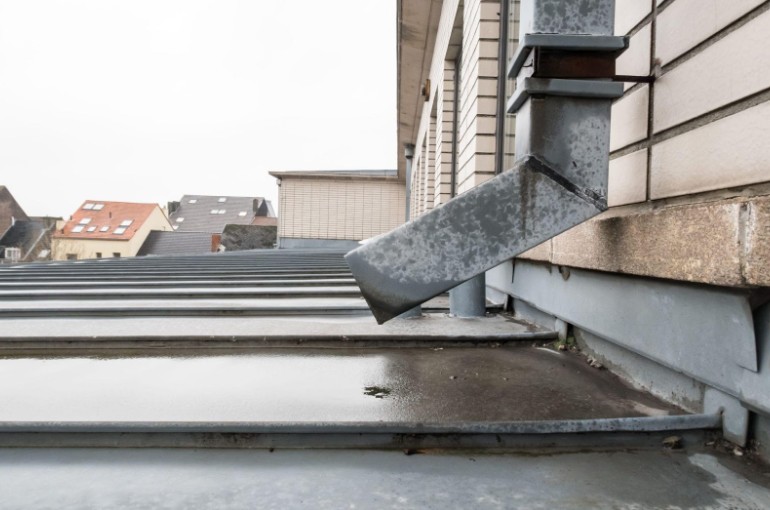
The roof and drainage check is about protecting your home from the volatile North Texas weather, specifically hail and flash flooding. Hail damage is the most frequent insurance claim in the DFW Metroplex, and an uncertified roof can lead to policy denials or high deductibles. Furthermore, ensure that the property grade slopes away from the foundation to prevent water from pooling against the slab.
Analyzing Roof Longevity
When you walk the perimeter of a house, look at the gutters. Are they oversized? Do they have downspout extensions that carry water at least six feet away from the house? In North Texas, water is a tool if managed, but a weapon if ignored. If water sits against the house, it over-saturates the clay soil, leading back to those foundation issues.
Insurance Policy Impact
Regarding the roof, don't just ask "how old is it?" Ask for the specific shingle type. Many insurance companies now offer discounts for Class 4 Impact Resistant shingles. Conversely, some insurers are moving toward "Actual Cash Value" (ACV) coverage instead of "Replacement Cost" for older roofs. Getting a professional evaluation ensures you aren't walking into a $20,000 surprise.
Why Must You Verify Commute Realities and Future Zoning?
Checking commute realities and local zoning protects your quality of life and the future resale value of the property. DFW is home to some of the fastest-growing suburbs in the country, and a quiet empty lot behind your house today could become a four-story apartment complex tomorrow. You must check the city’s Comprehensive Land Use Plan to see what is scheduled for development nearby.
The "Tuesday Morning" Test
A fifteen-mile drive in Dallas can take twenty minutes or sixty minutes depending on the time of day and the specific tollway used. Never trust a GPS estimate on a weekend. Drive your potential commute during peak Tuesday morning rush hour. If you are moving to areas like Celina, Prosper, or Forney, understand that infrastructure often lags behind residential growth.
Zoning and Land Use
Zoning is equally important. If you value privacy, a "planned development" (PD) next door could change your view and your noise levels. Visit the city's planning and zoning website or call the department directly. Ask about "capital improvement projects." If the two-lane road in front of your house is slated to become a six-lane highway, you need to know that now, before construction begins.
How Do You Evaluate the "Mechanical Health" of the Home?
A mechanical health check involves assessing the remaining life expectancy of the HVAC, water heater, and electrical panel. In the Texas heat, an air conditioning unit isn't a luxury; it’s a mission-critical component that works under extreme stress for six months of the year. You need to verify the age, SEER rating, and maintenance history of these units to plan for future capital expenditures.
HVAC Stress Factors
An AC unit in DFW typically lasts 12 to 15 years. If the house you are looking at has an 11-year-old unit using R-22 refrigerant (which is no longer produced), you are looking at a full system replacement the moment it fails. These are the details that standard market approaches often gloss over in the rush to close a deal.
Electrical and Water Safety
Check the water heater for signs of corrosion or "scuttlebutt" around the base. In areas with hard water, sediment builds up and reduces efficiency. Also, look at the electrical panel. Brands like Federal Pacific or Zinsco are known fire hazards and are often uninsurable. These checks are about preparing to sell or hold the asset with full knowledge.
FAQ
What is the most important thing to look for in a DFW home inspection?
The foundation is the most critical element due to the local expansive clay soil. You should also prioritize the roof's age and the HVAC system's functionality, as these are the most expensive items to repair in the Texas climate.
How do I know if a neighborhood in DFW is a good investment?
Look at the school district ratings, proximity to major employment hubs like the Legacy West or Las Colinas areas, and planned infrastructure projects. Consistent historical appreciation and a high percentage of owner-occupied homes are also strong indicators.
Should I buy a home near a new highway expansion in DFW?
While highway proximity can improve your commute, it can also introduce noise and air quality issues that may affect resale value. Check the city’s noise abatement plans and the specific distance from the proposed main lanes before committing.
What are the hidden costs of buying a home in Texas?
Beyond the purchase price, you must account for high property taxes, increasing homeowners insurance premiums due to weather risks, and the cost of "foundation watering" systems to maintain soil stability.
Clarity Before Commitment
Protecting your family’s long-term investment requires a tactical approach to due diligence. By verifying the foundation, projecting real tax costs, inspecting the roof, confirming commute times, and auditing mechanical systems, you ensure clarity before commitment. My job is to protect you from surprises and provide guidance when it matters most.
If you need a professional to clear the uncertainty of the DFW market, contact Louis Pacheco, Realtor. I provide mission-first real estate services for families who value structure, process, and straight answers.